Beyond Components: How End-to-End Solutions Drive Manufacturing Excellence

The manufacturing industry is witnessing a change that was inevitable. Yet, many large industries were awestruck when the shift happened. From acquiring single parts from different manufacturers, companies these days are shifting to buying all their materials from a single organisation that can offer an end-to-end manufacturing solution service.
Acquiring manufactured material from a single source not only solves the basic problem of quality control; it also helps in other areas that fundamentally shape project outcomes, operational efficiency, and long-term sustainability.
Mobility Solutions Limited (MSL) operates as a complete strategic partner, delivering integrated solutions that span conceptual design through after-sales support. This comprehensive approach transforms how manufacturers approach operational complexity and risk management.
The Limitations of Part-Based Suppliers
Traditional part suppliers operate within defined boundaries, delivering components according to specifications and timelines. While this transactional model appears cost-effective initially, it creates fragmented responsibilities and overlapping accountability structures.
Organizations relying on multiple part suppliers encounter coordination challenges that inevitably extend timelines and inflate costs. Each vendor optimizes their production independently, without visibility into downstream requirements or upstream dependencies. Quality inconsistencies compound as accountability becomes distributed across numerous partners.
The expertise of part suppliers remains confined to component manufacturing. Strategic insights regarding system integration, performance optimization, and lifecycle management remain outside their scope. This creates a knowledge gap that clients must fill independently.
Comprehensive Ownership: From Concept to Support
Manufacturing execution under a structured framework maintains consistent quality standards throughout production. Qualified engineers oversee processes with the authority to implement improvements and address challenges in real time. Supply chain management remains fully integrated, ensuring material availability without disruption to schedules.
Post-delivery support represents a critical differentiation. The after-sales commitment includes performance monitoring, maintenance guidance, and technical assistance. This ongoing engagement ensures sustained operational excellence and identifies opportunities for continuous improvement.
Strategic Risk Mitigation through Integration
End-to-end solutions fundamentally alter risk distribution. Traditional approaches distribute risk across multiple vendors, creating accountability gaps and escalation complications when challenges arise. Design integration reduces performance variability. Components developed within our ecosystem benefit from systematic optimization for system compatibility and functional integration.
Quality consistency strengthens across production cycles. Unified manufacturing protocols, consistent material sourcing, and integrated testing procedures establish reliability standards that independent suppliers cannot match.
Operational Excellence and Continuous Improvement
A far-reaching approach enables systematic process optimization. Feedback from production, field performance, and post-delivery support informs design refinements and manufacturing enhancements. Skilled engineers and technicians possess the authority and visibility to implement improvements immediately. Supply chain management achieves high levels of efficiency when consolidated under unified leadership. Strategic material sourcing, inventory optimization, and logistics coordination function as integrated systems rather than parallel processes managed independently.
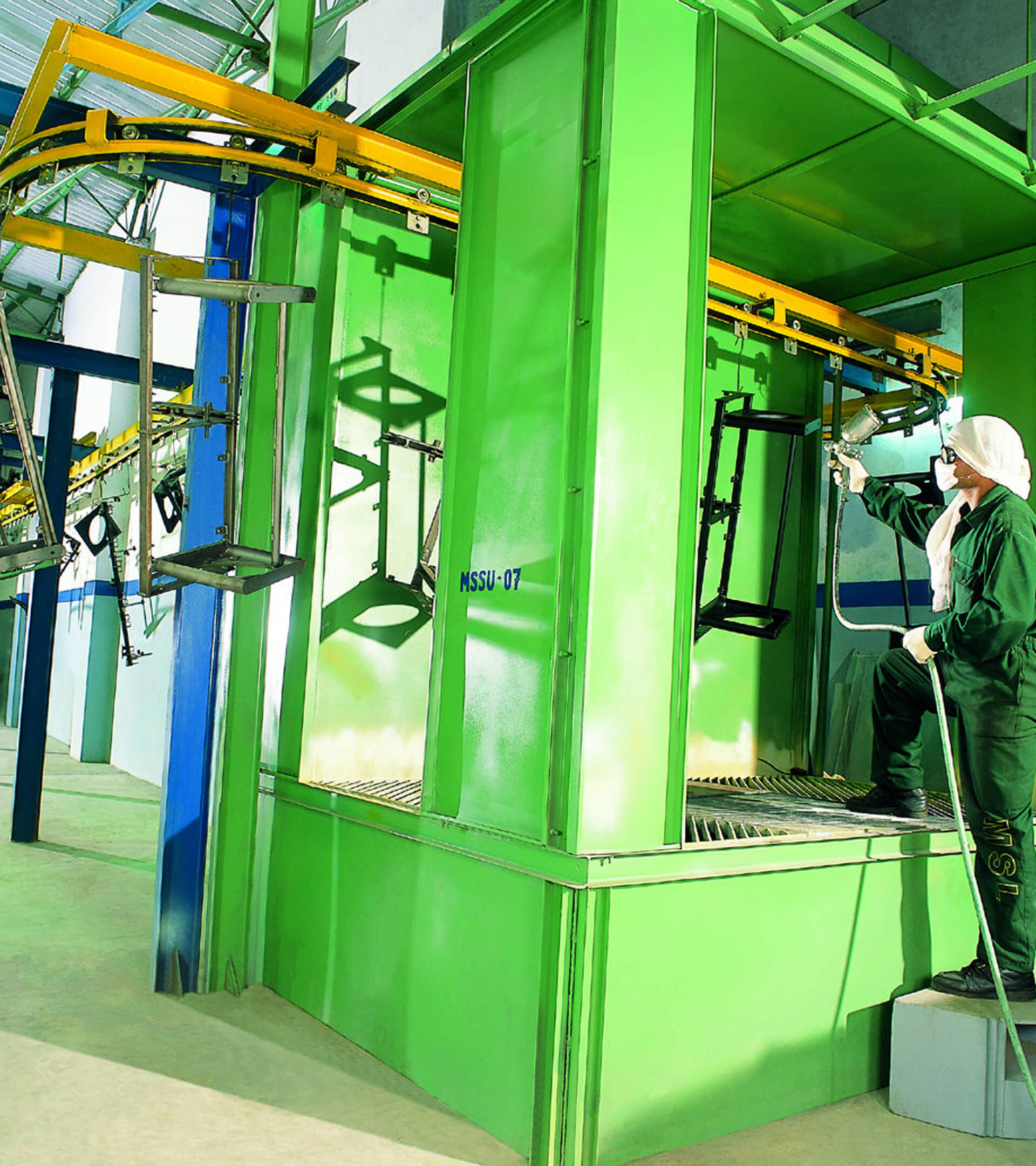
MSL: End-to-End Solutions Provider
While technology and sustainability have become the new normal for the world, the modern manufacturing processes demand sophisticated integration. As systems become more complex and performance requirements more stringent, the coordination overhead of managing multiple specialized vendors becomes complicated for many.
To tackle situations and problems that arise from this miscommunication or complication, organizations have started partnering with comprehensive solution providers to access strategic expertise unavailable through traditional part procurement.
The financial aspect of manufacturing everything under one roof is also to be taken into account. Risk mitigation, quality consistency, and operational efficiency generate substantial value that isolates cost comparisons systematically undervalue.
Final thoughts
End-to-end solutions are redefining what it means to be a manufacturing leader. As markets demand faster turnarounds, higher reliability, and greater accountability, fragmented operations can no longer keep pace. Manufacturers that integrate design, sourcing, production, quality control, and after-sales support under a unified framework gain more than efficiency—they gain clarity, agility, and control. An end-to-end solutions manufacturer anticipates challenges instead of reacting to them, aligns every function toward a single standard of excellence, and transforms complexity into coordinated execution.
.jpg)

.png)

_(1).png)