Advanced Seating Systems: How Engineering is Redefining Comfort, Safety and Mobility

In modern transportation, a seat is an engineered component that influences passenger comfort, safety, accessibility and the overall travel experience.
As mobility continues to evolve, seating systems are becoming increasingly sophisticated. From passenger trains and buses to commercial vehicles and specialised transport applications, manufacturers are rethinking how seats are designed, engineered and manufactured to meet changing expectations.
Today, advanced seating systems bring together ergonomics, material science, structural engineering and manufacturing precision. The objective is not simply to create comfortable seating, but to develop solutions that deliver comfort, durability, safety and reliability throughout their service life.
The Evolution of Seating Systems in Modern Mobility
Traditional seating designs primarily focused on basic functionality and durability. Modern mobility, however, demands a more comprehensive approach.
Passengers expect greater comfort during long journeys, operators require products that can withstand intensive use, and manufacturers must meet application-specific safety and performance requirements. At the same time, seating systems must integrate seamlessly with vehicle interiors while balancing weight, space, maintenance and cost considerations.
These demands have transformed seating from a relatively straightforward component into a carefully engineered system. Contemporary seating solutions increasingly incorporate improved ergonomic designs, optimised structural components, application-specific materials and manufacturing processes that support consistent quality. Each element contributes to the performance of the complete seating system.
Ergonomics: Engineering Comfort Through Design
Comfort is one of the most important considerations in seating design, particularly in applications involving extended travel or continuous vehicle operation.
Ergonomics focuses on designing seating systems around the needs of the human body. Factors such as seat dimensions, backrest contours, cushioning density, lumbar support and posture influence how comfortable a seat feels over time. An effective design must account for the intended user, seating duration and operating environment. A passenger seat designed for a long-distance train, for instance, may have different requirements from a seat intended for a city bus or a commercial vehicle.
Engineering plays a crucial role in translating these requirements into practical design solutions. Careful consideration of geometry, support distribution, foam characteristics and upholstery can improve comfort while maintaining structural integrity.
The result is a seating system that supports the user more effectively without compromising durability or functionality.
Safety by Design: Beyond Comfort
While comfort shapes the passenger experience, safety remains a fundamental consideration in seating engineering. Seating systems must be designed according to the requirements of their intended application, including relevant vehicle regulations, structural requirements and testing standards.
Depending on the application, engineering considerations may include frame strength, anchorage integrity, resistance to loads, secure mounting and compatibility with vehicle safety systems. In certain vehicle categories, restraint systems and crash-related performance requirements also influence the design.
Material selection and structural design must work together to ensure that seating systems perform as intended under specified operating conditions. Safety requirements vary across buses, rail vehicles and other mobility platforms, making application-specific engineering and appropriate validation essential. A well-engineered seating system balances user comfort with structural performance, reliable integration and compliance with applicable safety requirements.
Also Read: How Passenger Comfort is Redefining Travel
Material Selection and Manufacturing Precision
The performance of a seating system depends significantly on the materials used and the precision with which its components are manufactured. Frames, cushioning, upholstery, fasteners and mounting components each serve a distinct purpose. Their properties must align with the demands of the application, including expected loads, frequency of use, environmental conditions and maintenance requirements. By integrating material expertise with manufacturing discipline, manufacturers can develop seating systems that are practical to produce, reliable in use and suited to demanding operating environments.
Designing Seats for Different Mobility Applications
There is no universal seating solution for every mode of transportation. Each application presents a distinct combination of user expectations, operating conditions and technical requirements.
Railway seating
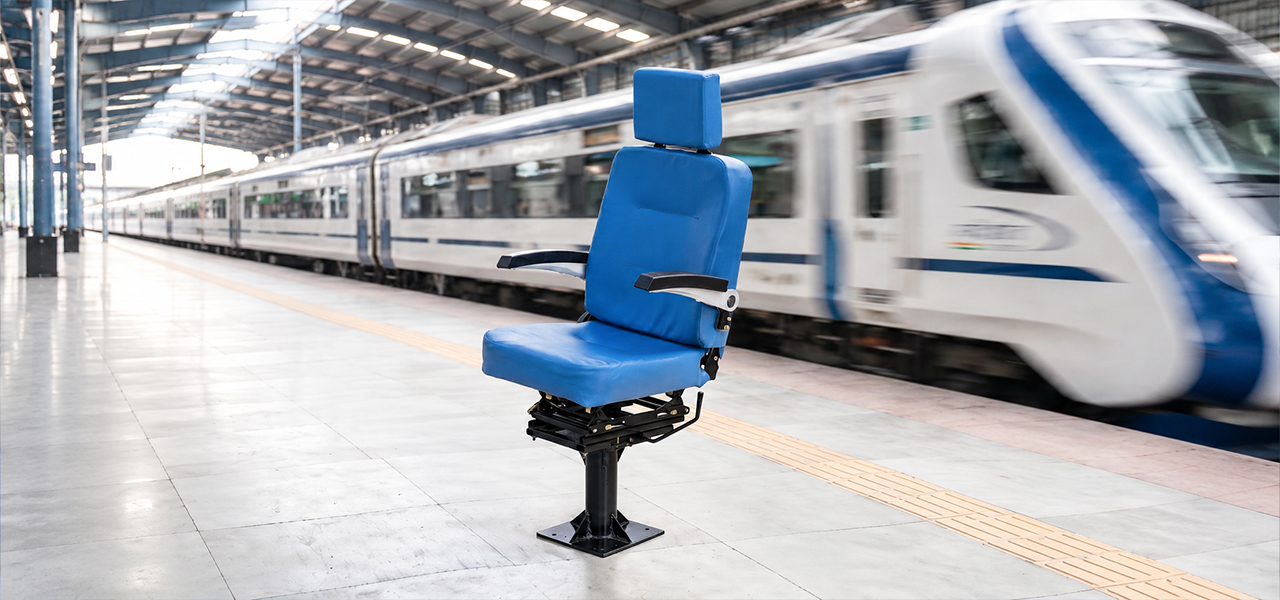
Passenger rail systems require seating that balances comfort, durability, efficient use of interior space and compliance with relevant railway requirements. High passenger volumes also make wear resistance and ease of maintenance important considerations.
Bus seating
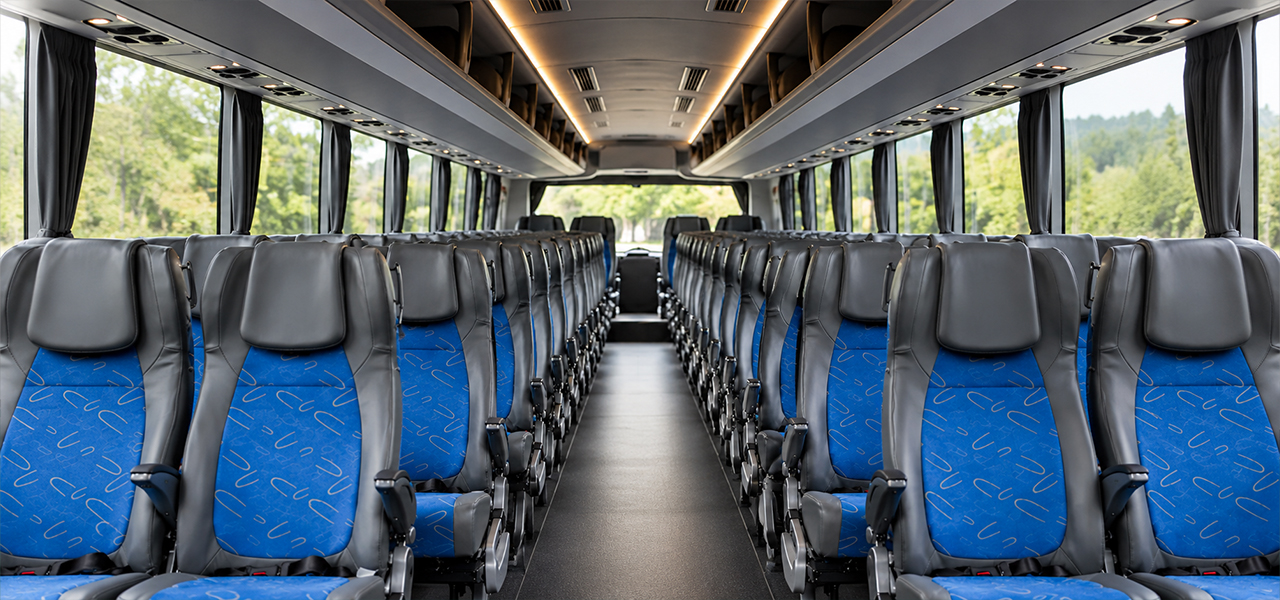
City and intercity buses operate under different conditions. Urban buses must accommodate frequent passenger movement and intensive daily use, while intercity and long-distance buses place greater emphasis on sustained comfort and ergonomic support.
Commercial and specialised vehicles
Driver and crew seating may require additional attention to posture, vibration exposure, adjustability and support during extended operating hours. The final design depends on the vehicle type and its intended use. Across these applications, engineering teams must understand the operating environment before defining the appropriate seating architecture, materials and manufacturing approach.
Lightweight Design Without Compromising Performance
Weight optimization is an important consideration across the mobility industry. Reducing unnecessary weight can contribute to improved vehicle efficiency, particularly when considered alongside other vehicle-level design measures. Seating systems offer opportunities to optimise weight through efficient structural design, appropriate material selection and better integration of individual components. However, lightweighting cannot be pursued in isolation.
Frame strength, durability, comfort, mounting requirements and relevant safety standards must remain central to the design process. The objective is to eliminate unnecessary material and structural complexity while retaining the performance required for the intended application. Achieving this balance requires close coordination between design engineering, material selection, prototyping, testing and manufacturing.
The Role of Testing and Quality Assurance
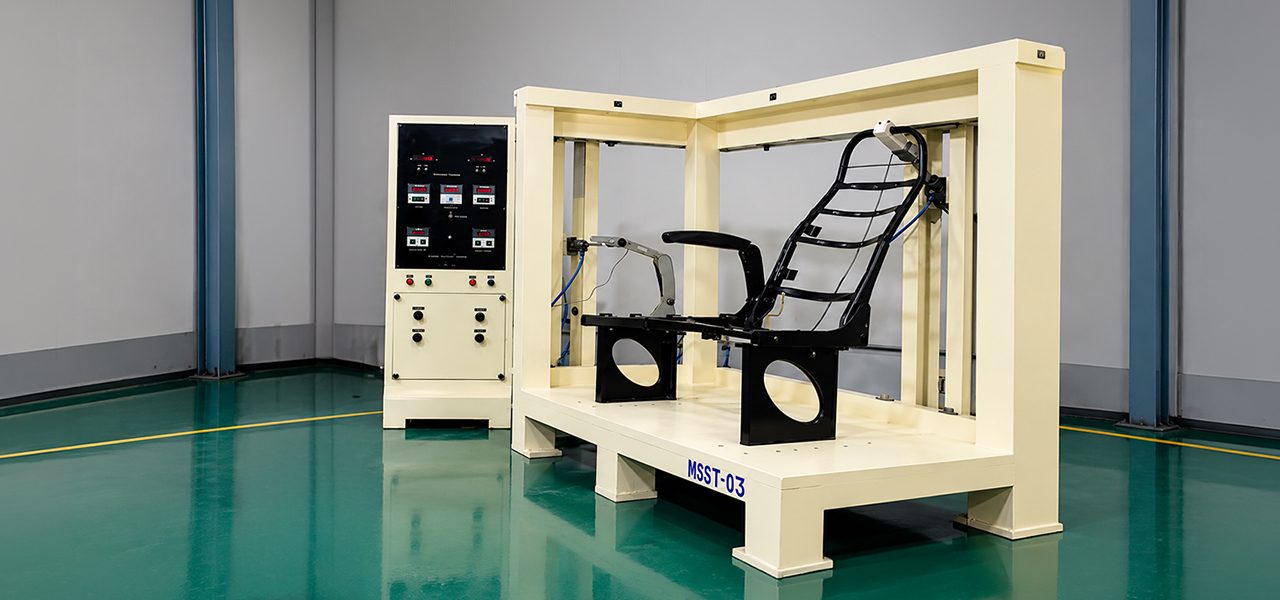
A seating system must perform consistently beyond the design stage. Its quality depends on how effectively engineering specifications are translated into a manufactured product and verified against the applicable requirements.Depending on the application, validation may involve dimensional checks, structural assessments, load testing, durability evaluations and inspections of mounting arrangements and finished components. A systematic approach to testing and quality control supports product reliability, helps maintain manufacturing consistency and provides greater confidence in the final seating solution.
MSL India: Engineering for Evolving Mobility Requirements
As a manufacturing company within the JCBL Group, MSL India brings capabilities across components and sub-assemblies, composites and heavy fabrication, supporting requirements across diverse industrial and mobility applications.
In mobility solutions manufacturing, seating systems illustrate the importance of bringing together engineering design, material selection, precision manufacturing and quality control. Each stage influences how effectively a component integrates into the wider vehicle platform and performs throughout its intended service life.
Meeting these requirements calls for a manufacturing approach that considers the complete product lifecycle—from design inputs and production planning to assembly, inspection and delivery. Through its focus on manufacturing capabilities, engineering coordination and quality-driven processes, MSL India contributes to the broader ecosystem supporting the development of dependable mobility solutions.
Engineering Better Seating for the Future of Mobility
Modern seating systems demonstrate how engineering can transform an everyday component into a carefully designed solution that supports comfort, safety, durability and operational performance. Achieving these outcomes requires more than selecting suitable materials or developing an ergonomic shape. It demands an integrated approach that brings together human factors, structural design, manufacturing precision, application-specific requirements and quality assurance.
As India's mobility and manufacturing sectors continue to evolve, advanced seating systems will remain an important part of creating better passenger and operator experiences. Ultimately, the future of seating lies in engineering every detail around the demands of the journey, from the comfort of the user to the reliability of the product.
Recent Posts


